
Promote the regional aspects of chemical industry

Improve regional development strategies in chemical regions
Maintain competitiveness by fostering European cooperation of regional actors
Develop a Euro-wide partnership of regional stakeholders in chemical regions
Articulate common interests of chemical regions to the European institutions
Your regional partner in support of the European chemical industry
Fostering Regional cooperation in the chemical sector

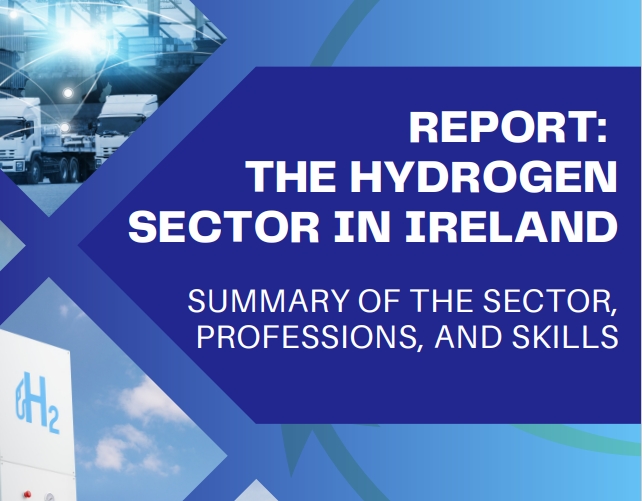
The Hydrogen sector in Ireland
ECRN's partner EDU SMART TRAINING CENTRE LIMITED published the report titled "The Hydrogen Sector in Ireland" in the context of the project Professions and competences in the hydrogen sector (Project no. 2023-1-PL-01-KA220-VET-000159821). The text highlights current Ireland's hydrogen...
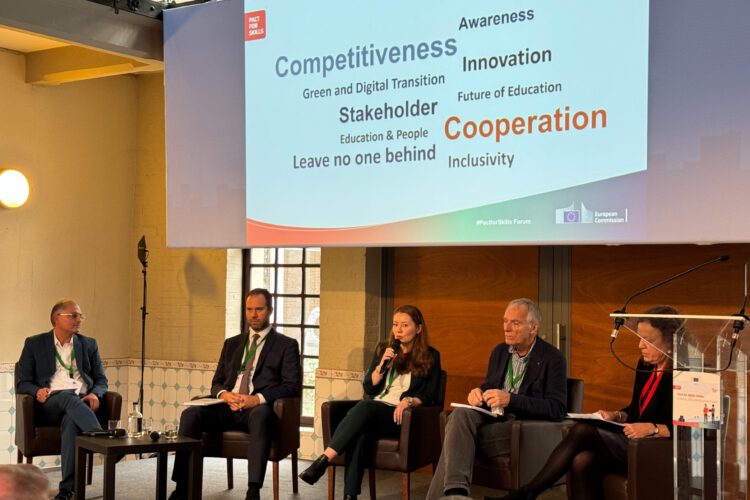
Pact for Skills Forum: ECRN presented the achievements
Monika Banka, on behalf of ECRN, participated as speaker to the PactForSkills Forum. Esteemed guests attended the event, among them also the Commissioner for the Internal Market Thierry Breton. The inaugural Biennial Skills Forum provided a platform for...
JTP: ECRN chosen as 1st circle member of WP on Stakeholder Engagement
ECRN has been selected to be part of the 1st circle members of the Just Transition Platform (JTP) Working Group on Stakeholder Engagement. The Just Transition Platform (JTP) facilitates EU countries and regions in accessing support from the...
Just Transition Pathway Working Groups: Publication of Actions' outputs and new JTP Working Groups
For the last 2 years, the European Chemical Regions Network actively participated in the Just Transition Platform Working Group on Chemicals, and we are proud to share with you the final result of our work. We want to...
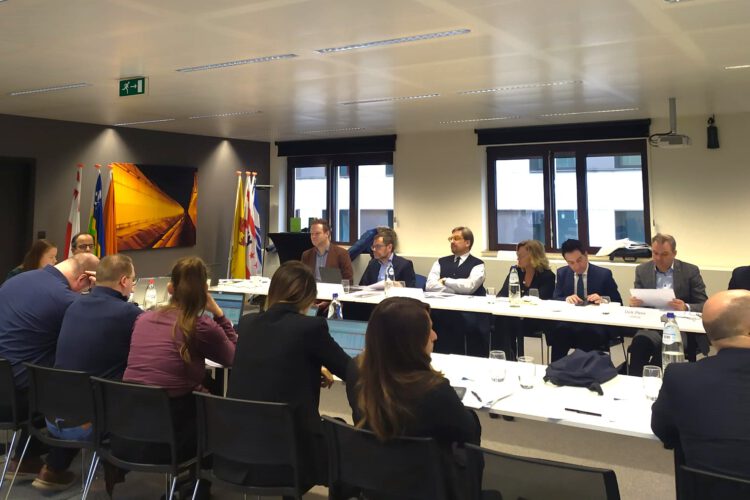
2024 ECRN General Assembly
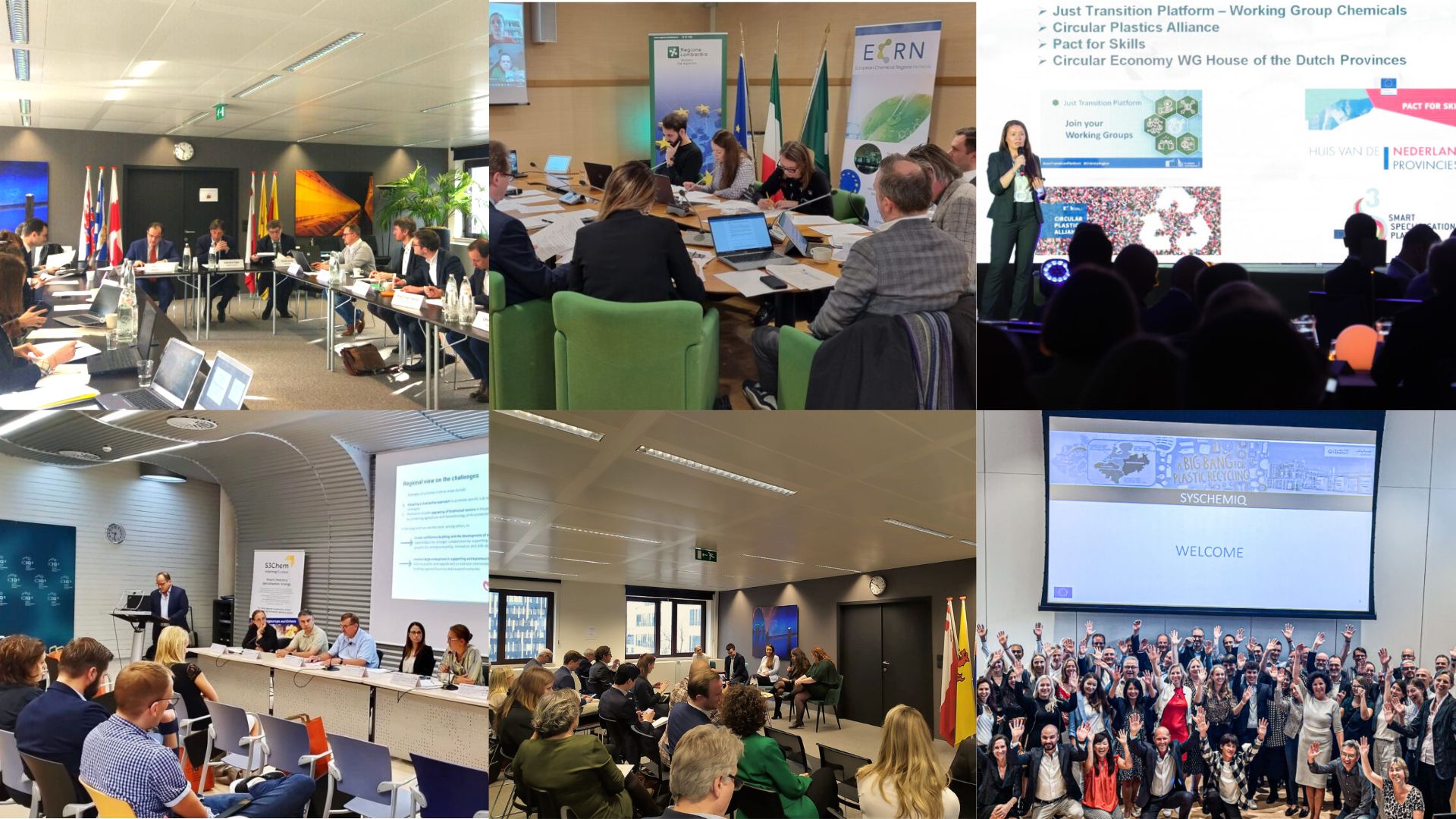
2024 ECRN General Assembly - New Board Elected! On 17.01 ECRN hosted its 2024 General Assembly in Brussels, at the House of the Dutch Provinces. It was a great chance to meet our members and discuss in person...

Hydrogen Valleys in Poland
We share the contribution of Aleskandra Ścibich-Kopiec for the Professions and competences in the hydrogen sector Project no. 2023-1-PL-01-KA220-VET-000159821. You can find the original article here. Hydrogen valleys in Poland are dynamically developing centers of innovation, key to...
Vacancy: Junior Communication and Project Officer
WE ARE HIRING: Junior Communication & Project Officer The European Chemical Regions Network is the network representing the regions with a strong chemical industrial base. We are recruiting a Junior Communication and Project Officer to support the Secretariat...
ECRN Conference: Digital Transition of the Chemical Industry – The Role of the European Digital Innovation Hubs
On December 7th, ECRN in cooperation with the EU Commission DG CNECT organised an online conference to highlight the opportunities and services that the EDIHs can offer to the chemical sector. We gathered EU Commission, EDIHs, educational sector...
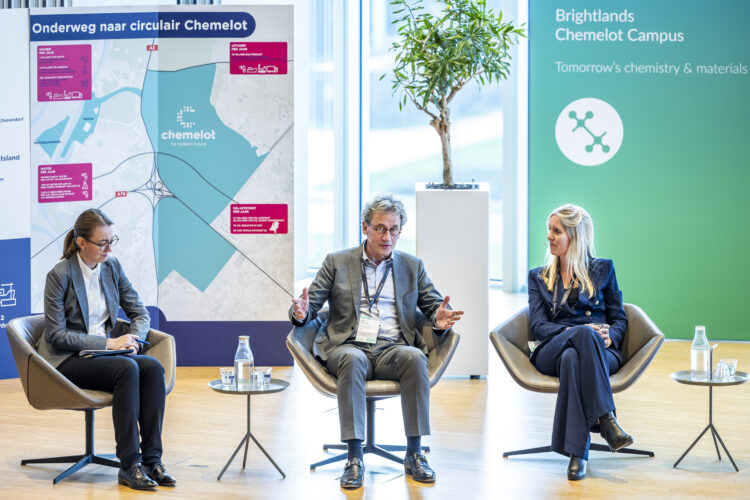
Transition Finance Event: Cooperating Towards a Greener Future
On 29-30 November ECRN joined the Tranisition Finance Event, Sylwia Sztark on behalf of the Masovian Voivodeship and the European Chemical Regions Network took part in the panel Boosting finance for green chemistry - initiatives and practices from...
Just Transition Platform - Call for evidence and expertise on the governance of the cross-border and interregional energy transition best practices
Just Transition Platform - Call for evidence and expertise on the governance of the cross-border and interregional energy transition best practices Within the JTP, ECRN is collecting examples of the best practices of the cross-border and interregional collaboration...
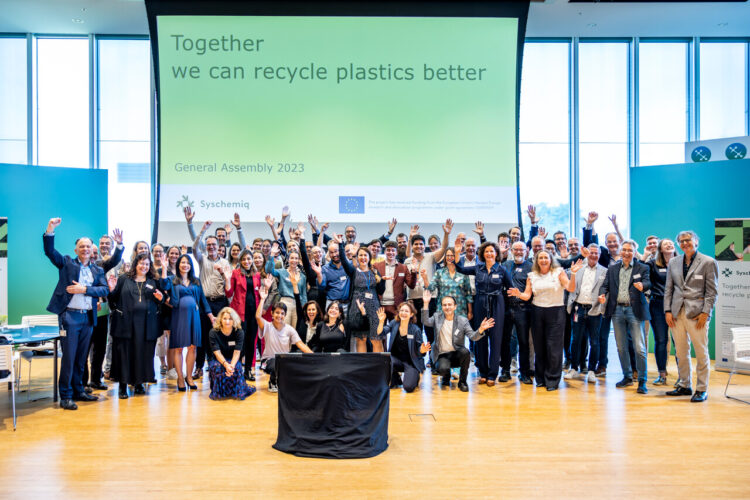
Projects Recap: Skills, Transition and Cooperation
ECRN is proud to be a part of different EU projects starting from this season, these projects resonate with our core goals and priorities: skills, green and digital transition and cooperation. This month we joined the ACE-EX Project...
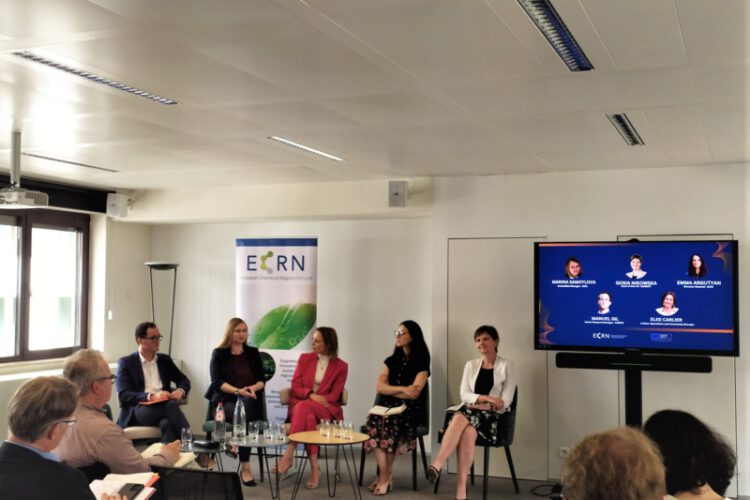
Future Skills: Regional Contributions to Defining the Future of Energy-Intensive Industries
On June 28th, we hosted our first completely in person event of the year. It was a great chance to identify the role of regional and local authorities in the green and digital transition, highlight the skills gaps in the chemical sector and...

Services & Solutions
Lorem ipsum dolor sit amet, consectetuer. Proin gravida nibh vel velit auctor aliquet. Aenean sollicitudin, lorem quis bibendum auctor, nisi elit consequat ipsum.

About Recycle
We Safeguard The Environment Lorem ipsum dolor sit amet, consectetur adipiscing elit. Aenean feugiat dictum lacus, ut hendrerit mi pulvinar vel. Lorem ipsum dolor sit amet, consectetur adipiscing elit. Aenean feugiat dictum lacus, ut hendrerit mi pulvinar vel....

Reducing Waste
Reuse Program

Recycle More