Promote the regional aspects of chemical industry

Improve regional development strategies in chemical regions
Maintain competitiveness by fostering European cooperation of regional actors
Develop a Euro-wide partnership of regional stakeholders in chemical regions
Articulate common interests of chemical regions to the European institutions
Your regional partner in support of the European chemical industry
Fostering Regional cooperation in the chemical sector
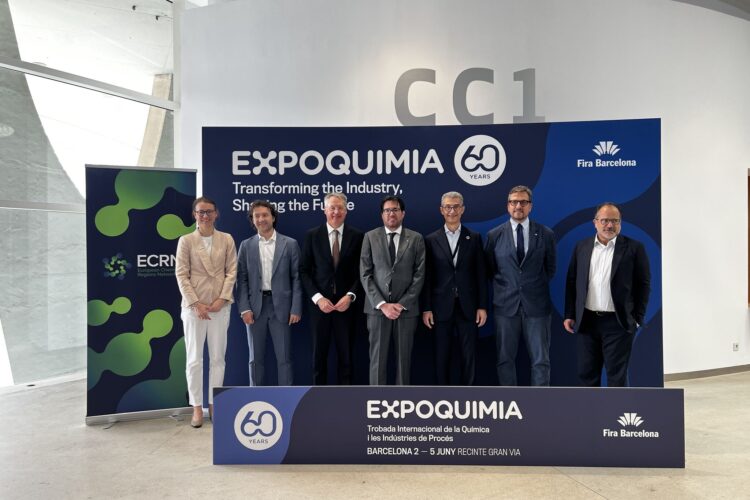
ECRN event at Expoquimia 2026 "From Brussels to the Regions: Delivering Europe’s Chemical Industry Recovery"
Barcelona, 4 June 2026 – The European Chemical Regions Network (ECRN), within the framework of Expoquimia 2026, organised the high-level debate “From Brussels to the Regions: Delivering Europe’s Chemical Industry Recovery”, bringing together representatives of the European Commission,...
ECRN welcomes new members: Province of Zeeland and MAVESZ
The European Chemical Regions Network (ECRN) is pleased to announce the accession of two new members: the Province of Zeeland (Netherlands) and MAVESZ, the Hungarian Chemical Industry Association. Their membership marks a significant step in reinforcing ECRN’s mission...
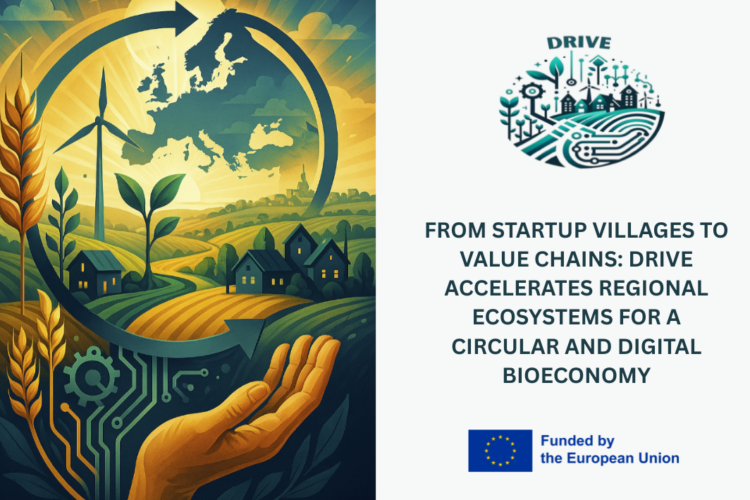
From Startup Villages to value chains: DRIVE accelerates regional ecosystems for a circular and digital bioeconomy
[Brussels, 23/03/2026] — Rural Europe holds the resources, talent and entrepreneurial drive needed to power the next generation of circular and digital bioeconomy solutions. With DRIVE — Driving Rural Innovation through startup Villages across Europe — that potential...
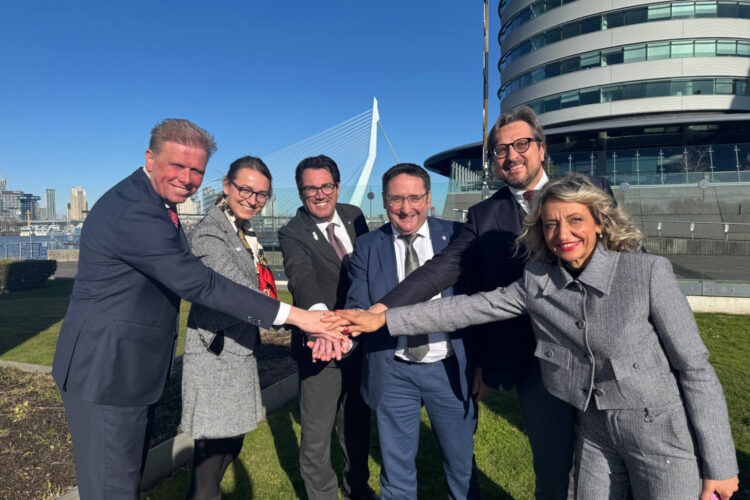
ECRN General Assembly 2026: Catalonia Assumes the Presidency
Rotterdam, 4 February 2026 - The European Chemical Regions Network (ECRN) held its 2026 General Assembly in Rotterdam at Hotel New York, kindly hosted by the Region of Zuid-Holland. The Assembly gathered representatives from Europe’s leading chemical regions...

ECRN as Supporting Partner of the European Chemical Industry Forum 2025 organised by PIPC
The European Chemical Regions Network (ECRN), as a Supporting Partner of the European Chemical Industry Forum 2025 (ECIF 2025), played an active role in shaping the strategic discussions on the future of Europe’s chemical industry, with a strong...
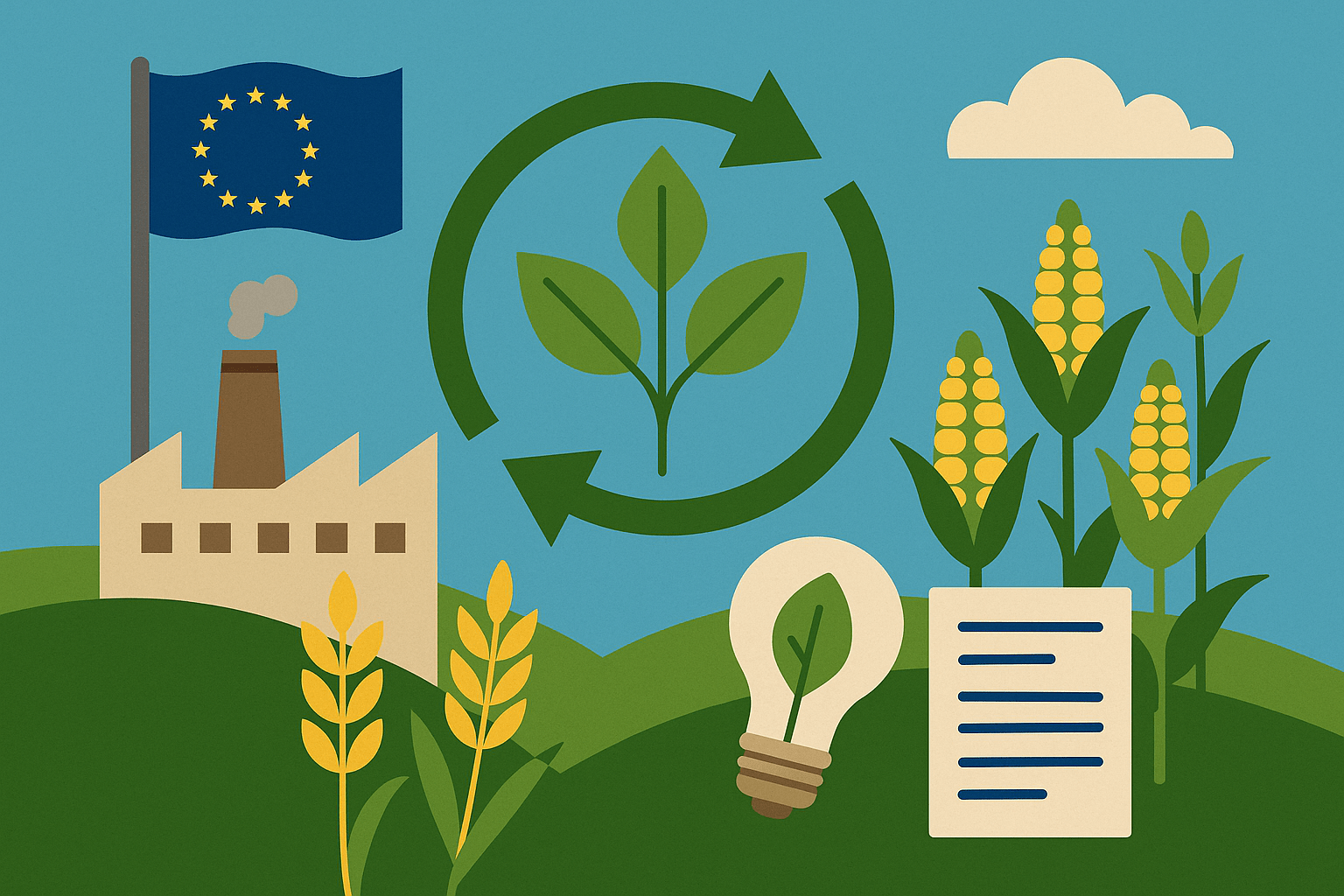
Statement by the European Chemical Regions Network on the EU Bioeconomy Strategy
ECRN welcomes the publication of the European Commission’s new Strategic Framework for a Competitive and Sustainable EU Bioeconomy. The Strategy acknowledges the critical role of Europe’s regions in driving the transition toward a more resilient, circular and innovation-led...

Services & Solutions
Lorem ipsum dolor sit amet, consectetuer. Proin gravida nibh vel velit auctor aliquet. Aenean sollicitudin, lorem quis bibendum auctor, nisi elit consequat ipsum.

About Recycle
We Safeguard The Environment Lorem ipsum dolor sit amet, consectetur adipiscing elit. Aenean feugiat dictum lacus, ut hendrerit mi pulvinar vel. Lorem ipsum dolor sit amet, consectetur adipiscing elit. Aenean feugiat dictum lacus, ut hendrerit mi pulvinar vel....